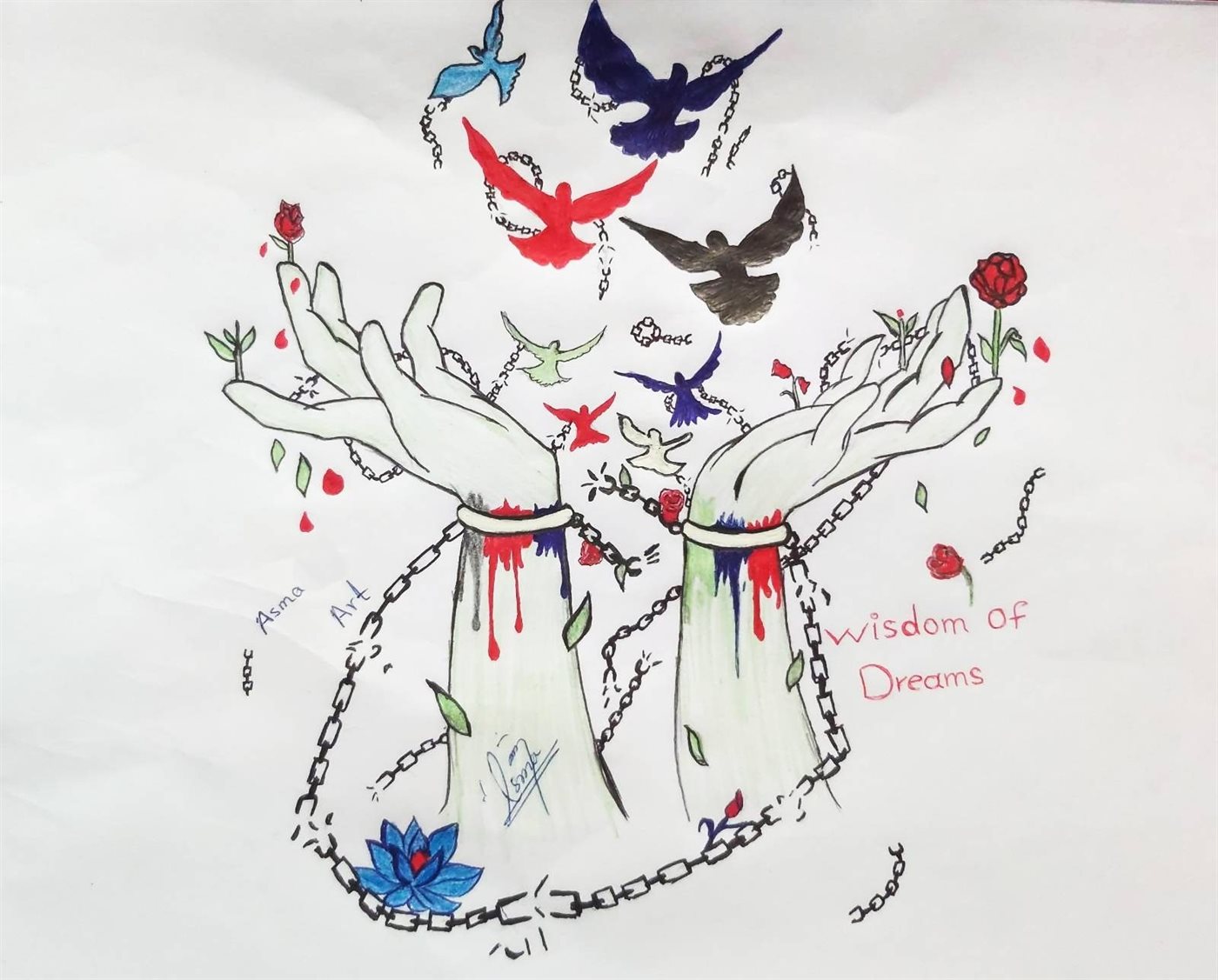
Two hands rising. Chains breaking at the wrists, red dripping where they broke. Doves flying in four colors. Roses opening, a lotus opening, a girl’s name and her word for what this is. The 21st Century Girls program looks like this from inside.
500+
Girls enrolled
226
Certificates earned
9
Cohorts since 2022
40
In-country staff trained
40 in-country staff = 4 Project Managers, 8 Assistant Instructors, 28 Teaching Assistants. No English or formal-education requirement to enroll; students learn on cellphones, apps, and computers when they have access.
The program
21st Century Girls runs a four-course sequence built around engineering, robotics, and software, with a fourth course that trains the next layer of instructors so the system grows from within.
Course 1
21st Century Technologies, Skills, and Leadership
Engineering, robotics, and introductory coding, built on teamwork and problem-solving.
Course 2
21st Century Skills for Python
Problem-solving and applications of Python coding. Thirty girls are in the Python course as of late 2025.
Course 3
Emerging Talent using 21st Century Skills
Tech-based innovation and creativity. The bridge between curriculum and original work.
Course 4
Leadership and Teaching 21st Century Skills
Training the Teaching Assistants and Instructors who carry the program forward. The model is systemic by design.
The current ninth cohort has 46 new students enrolled. Industry certification preparation and TOEFL iBT preparation are included for students who reach that stage.
What it means to teach engineering in Afghanistan right now.
The internet and electricity are unreliable. Some students must choose between food, heat, and the data package that lets them join class. Computers are out of reach for most of the girls applying. The work itself is criminalized: secondary and university education for women and girls has been banned in Afghanistan since 2022. Teaching is a risk taken by the teachers; learning is a risk taken by the students.
The program partners with the Shafia Memorial Education Fund and Canadian Women for Women in Afghanistan to get computers and internet packages into students’ hands. The Teaching Assistant layer exists specifically so that when a student drops off the call because the power went out, someone catches her up before the next session. That is what teaching twenty-first-century skills in this context actually looks like: not a marketing line, a logistics problem solved every week, against the law of the place it is being solved in.
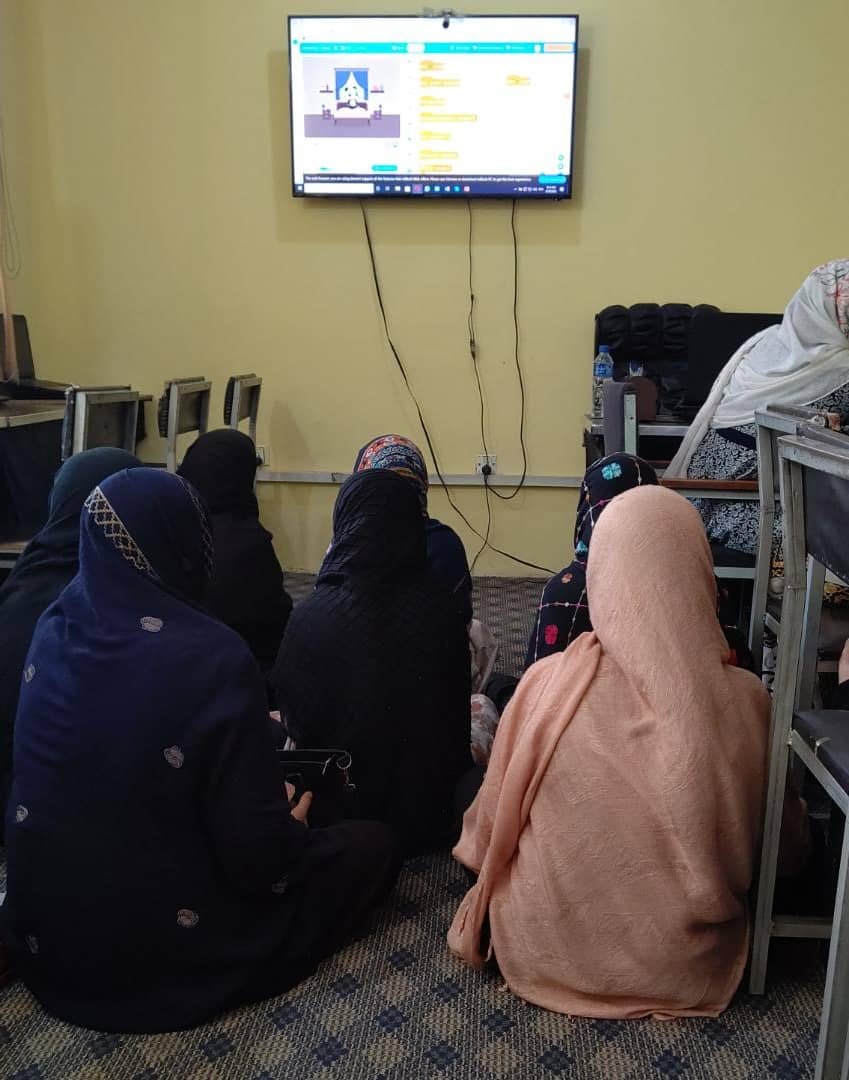
When the program reports 36 in-country staff trained (2 instructors, 6 assistant instructors, 28 teaching assistants), this is what one of those numbers looks like.
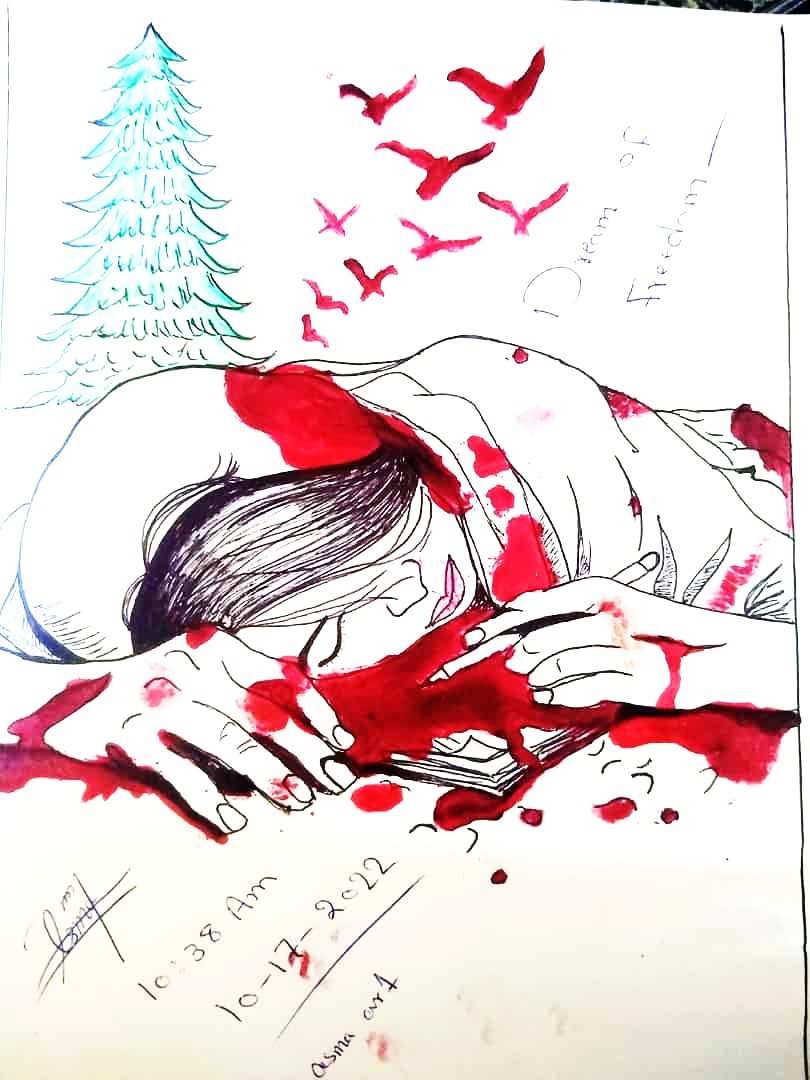
The program teaches Python and robotics. The students draw, too. Both are part of the same record: of girls who are not supposed to be learning, learning anyway, and naming what they are learning their way out of.
Who runs it
Tahmina Ahmadzai is the Director of 21st Century Girls. The program is built around in-country leadership, by design, and the directorship sits with a woman from the community the program serves.
Dr. Roderic Brame is the program’s Founder and President, and CEO of R2B2 STEM, the U.S. consultancy that hosts the program operationally. PhD in Geosciences; MS in Science Education; Engineering Geosciences Certificate; BS in Geology. He has built engineering and robotics programs for middle and high schools, served as Director of STEM Education at USF Polytechnic, judged at the Intel International Science and Engineering Fair, and served as Executive Director of the World Robotics Championship (Robots in Paradise). He taught earth science at T.C. Williams High School, the school of Remember the Titans. He lives in Florida.
Expansion
The program is preparing to teach girls in a refugee camp in northern Kenya, and has already taught a course to students in Myanmar. The 21st Century Girls program began in 2022 with twelve students. It now has capacity for over one hundred per year and is exporting its training model into other settings where girls have been denied access to formal education.
Sustainable Development Goals
21st Century Girls organically meets ten of the United Nations Sustainable Development Goals, in a region the UN itself has named as one of the most difficult on Earth for girls’ education. The Center calls this out specifically because measurement matters: a program that meets ten SDGs at this scale, in this place, is not a small thing.
Why the Gandhi-King Center is a partner
Both Mahatma Gandhi and Dr. King held, plainly, that nonviolence requires access: that a society which forecloses on the intellect of half its population has already chosen a form of violence, whether or not anyone is throwing a punch. 21st Century Girls is the present-tense, working version of that conviction: girls who were told they would not learn, learning. The Center stands alongside the program because the work is exactly what the Center’s namesakes asked the world to do, in the language and tools of this century.
21st Century Girls, in their own film.
A short film from the program. The girls, the teaching, the work, in their own frame.
Meet Clara.
Clara Sediqa is eighteen, from Herat, and one of the 21st Century Girls. She learns robotics and Python in the corner of her family’s one room, against the law of the country she loves. She will show you the Afghanistan the world forgets, and tell you what she is building. You can talk with her.
Walk with Clara →Two more from the program’s artists.
Asma’s drawings above are two pieces from a much larger body of student work. Below: two paintings by Rahila Zeerak, a graduate of the program now based in the United States.
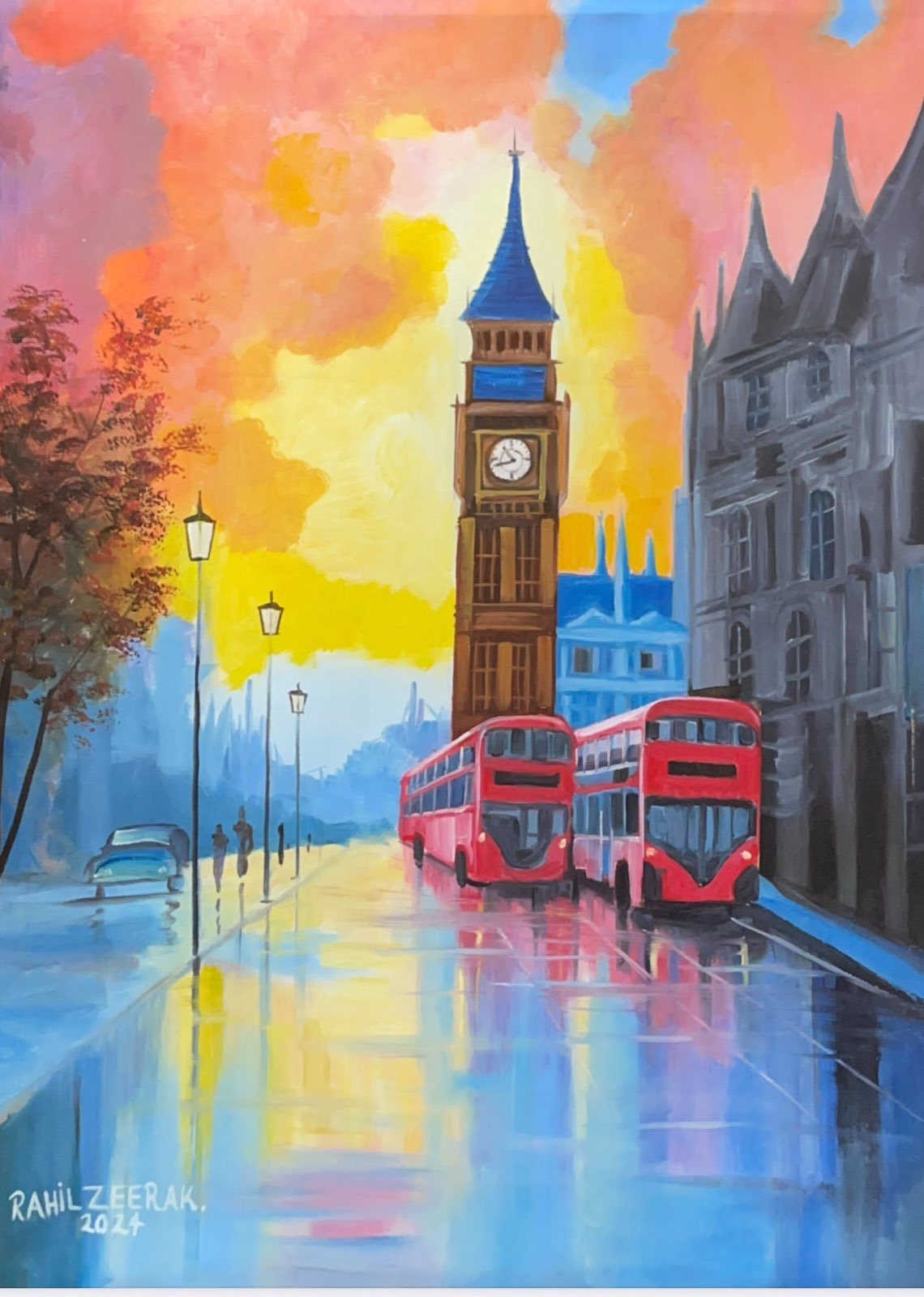
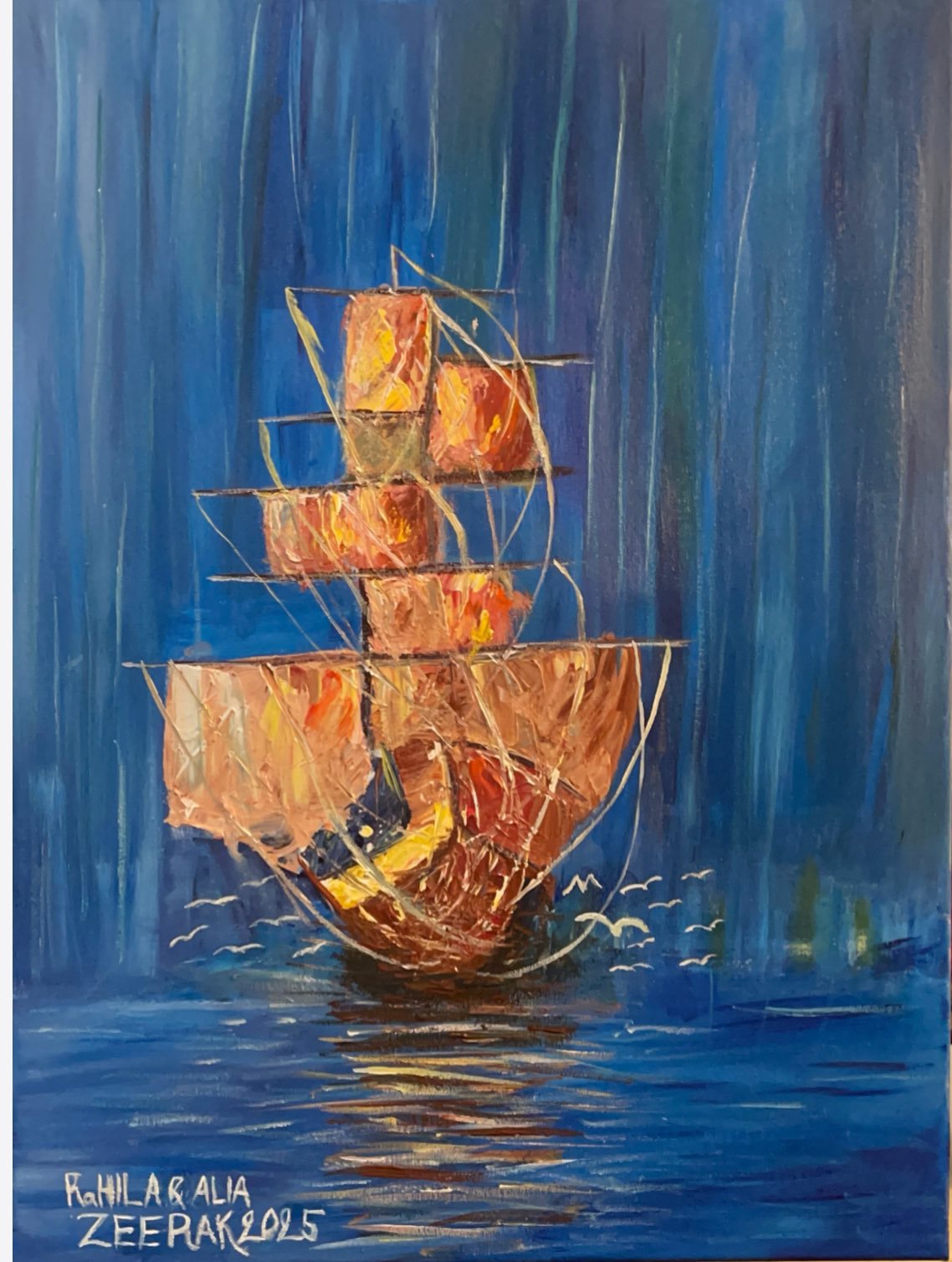
A city she had never been to. A ship leaving harbor. The iconography speaks for itself.
Brushes of Hope, Volume 2, is the program’s curated art book: 115 pages, produced by 21st Century Girls. The four pieces on this page are a small selection. Inquire through Dr. Brame for full access to the volume.
Giving in support of 21st Century Girls.
Donors who wish to support 21st Century Girls may make a gift to the Gandhi-King Center and indicate that preference in the comment field of the donate page. Gifts to the Center are subject to the Board’s discretion and oversight: the Board considers stated donor preferences, evaluates the accountability and work of each supported partner program, and votes on allocations. The Center retains the responsibility to direct funds where they best advance its mission. Donations are tax-deductible to the extent allowed by U.S. law (Gandhi-King Center for Nonviolence is a 501(c)(3) private foundation, EIN 99-3986935).
Where to learn more
To reach 21st Century Girls outside the Center, contact Dr. Roderic Brame at rib@r2b2stem.com or 703-727-8396.
To inquire about joint programming through the Gandhi-King Center, write to Admin@gandhi-king-center-for-nonviolence.org or use the contact form and mention 21st Century Girls.